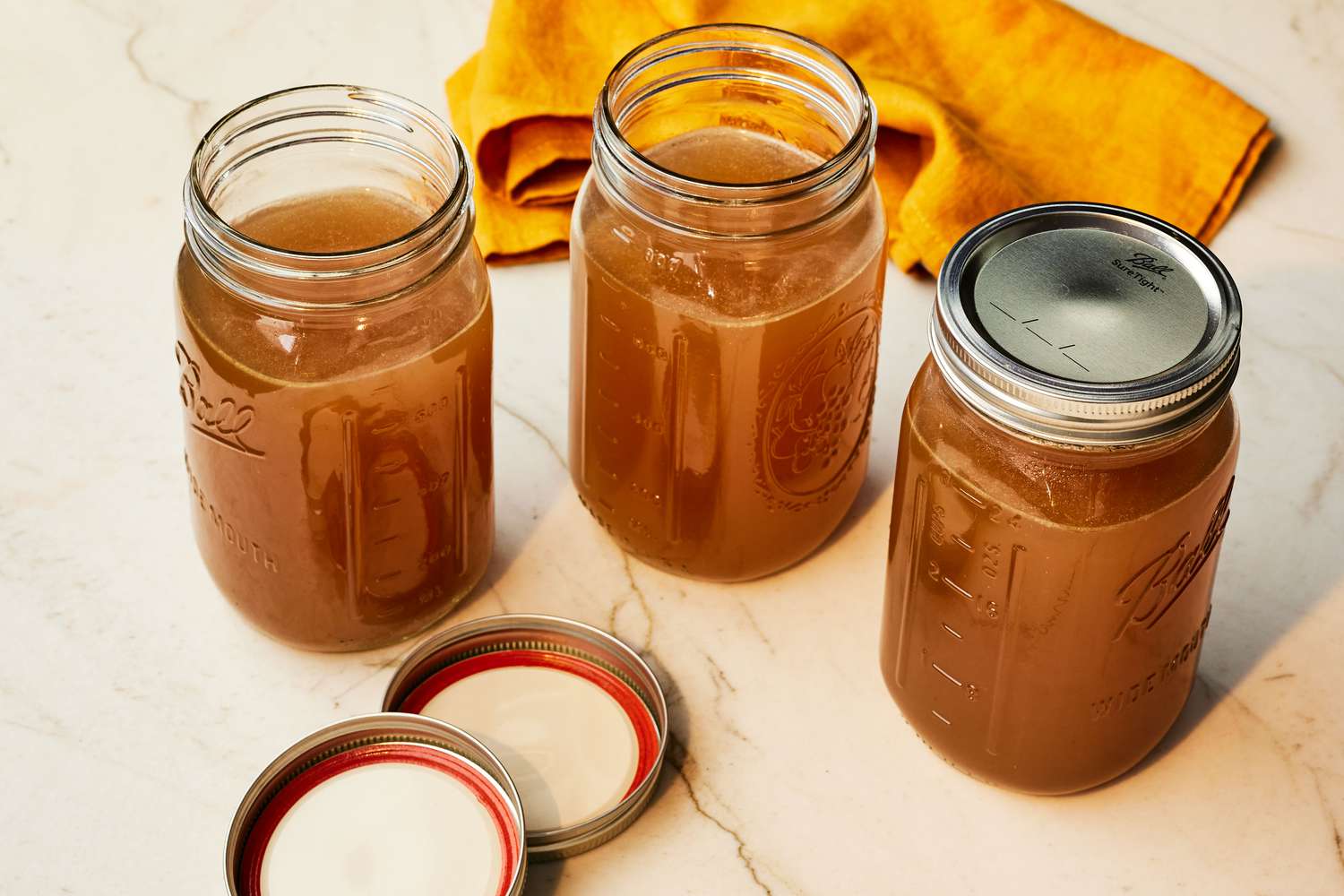
Why Homemade Chicken Stock Delivers Superior Flavor & Quality
In the world of culinary foundations, few ingredients hold as much power and potential as homemade chicken stock. While store-bought cartons promise convenience, they often fall short, delivering flat, overly salty, or artificial notes that can compromise the integrity of your dishes. The truth is, nothing compares to the profound depth, richness, and pristine quality of chicken stock crafted in your own kitchen. It's not just an ingredient; it's a game-changer, elevating everyday meals into extraordinary culinary experiences.
From the first comforting spoonful of a hearty chicken noodle soup to the silken finish of a restaurant-quality pan sauce, homemade chicken stock acts as the silent hero, providing a savory backbone that simply cannot be replicated by its commercial counterparts. It offers unparalleled control over flavor, sodium content, and ingredients, ensuring your cooking is always pure, vibrant, and bursting with natural goodness.
The Unbeatable Flavor Profile of Homemade Stock
The most immediate and striking difference between homemade and store-bought chicken stock lies in its flavor. Commercial broths often suffer from a lack of true chicken essence, relying instead on flavor enhancers and excessive salt to mask their shortcomings. Homemade stock, however, is a symphony of natural, slow-extracted flavors.
- Deep, Complex Chicken Essence: This is where homemade truly shines. By simmering chicken bones, parts, or even a whole chicken for hours, you unlock a depth of flavor that's impossible to achieve in a quick, processed product. The slow extraction pulls out all the savory nuances from the chicken, creating a multi-layered taste experience.
- The Magic of Collagen and Gelatin: One of the most significant contributors to the superior taste and texture of homemade stock is the transformation of collagen into gelatin. Chicken wings, necks, backs, and even whole carcasses are rich in cartilage and connective tissues. As these simmer gently, the collagen breaks down into gelatin, which lends a luxurious, silky mouthfeel and body to the stock. This natural viscosity enhances everything it touches, providing an umami-rich fullness that commercial stocks, often thin and watery, simply cannot match. This gelatin also contributes to a more satisfying and "sticky" lip-smacking quality that signals true richness.
- Aromatic Brilliance: A classic chicken stock incorporates a foundational quartet of aromatics: onions, carrots, celery, and garlic. These humble vegetables, when gently simmered, release their sweet, earthy, and pungent notes, weaving them seamlessly into the chicken flavor. Beyond these staples, you have the freedom to experiment with other additions like leeks, fennel, or parsnips, adding another dimension of complexity.
- Fresh Herb Infusion: Store-bought stocks rarely contain fresh herbs, if any. Homemade stock thrives on the vibrant contributions of fresh bay leaves, thyme, parsley, and even dill. A handful of black peppercorns adds a subtle warmth and spice. These fresh ingredients impart a brighter, more fragrant quality that makes your stock sing with life, far surpassing the often stale or muted flavors of dried, pre-packaged seasonings.
Beyond Taste: Superior Quality and Nutritional Benefits
While flavor is paramount, the quality and purity of homemade chicken stock offer advantages that extend far beyond the palate. When you make stock from scratch, you gain complete control over every ingredient, ensuring a healthier and more wholesome product for your family.
- Ingredient Transparency: With homemade stock, there are no hidden additives, artificial flavors, preservatives, or excessive sodium levels. You know precisely what goes into your pot, which is a significant advantage for those with dietary restrictions or a desire for clean eating. Many commercial broths contain yeast extract, sugar, or other ingredients designed to mimic flavor but detract from natural goodness.
- Reduced Sodium Content: A major complaint about store-bought stocks is their high sodium content. Even "low-sodium" versions can be surprisingly salty. Making your own allows you to control the salt from the outset, seasoning lightly during simmering and adjusting to taste when incorporating it into a dish. This flexibility is crucial for healthier cooking.
- Natural Nutritional Boost: The gelatin derived from simmering bones and connective tissues is more than just a textural enhancer. It's believed by many to offer potential health benefits, supporting gut health, joint function, and even skin elasticity. While not a miracle cure, the natural nutrients extracted from quality chicken parts contribute to a more nourishing liquid than a factory-produced broth.
- Economical and Sustainable: Making stock is an excellent way to reduce food waste. Instead of discarding leftover bones from a roasted chicken or a rotisserie chicken, you can transform them into a valuable kitchen staple. Chicken wings, often inexpensive, are perfect for stock due to their high collagen content, making this a budget-friendly gourmet secret.
Crafting Your Own: Key Ingredients and Techniques for Success
Making chicken stock might sound daunting, but it's surprisingly simple and largely hands-off. The process is more about patient simmering than intricate cooking skills. To achieve the best results, consider these key elements:
Choosing Your Chicken Components:
While any chicken part can be used, some are superior for stock:
- Chicken Wings: As highlighted in the references, chicken wings are a favorite because they are inexpensive and packed with collagen. This yields a stock with incredible body and a rich, silky texture.
- Whole Chicken or Carcass: A whole chicken provides a balanced flavor, while a leftover roasted chicken carcass is an ideal base, already imbued with roasted notes.
- Backs and Necks: These parts are often overlooked but are excellent sources of bone and connective tissue.
- Quantity Matters: For a lighter, flavorful stock, use about 4 pounds of chicken parts for 12 cups of water. For an ultra-rich, intensely flavored stock, double the chicken to 8 pounds.
The Aromatic Foundation:
Stick to the classics for a clear, balanced flavor: onion, carrots, celery, and garlic. Roughly chop them; there's no need for precision since they will be strained out. For those seeking even more depth, a leek or a fennel bulb can introduce delightful complexity.
Herbs and Spices:
A few bay leaves and a teaspoon of whole black peppercorns are essential. Fresh sprigs of thyme and parsley tied together with kitchen twine add brightness and are easily removed. Avoid powdered herbs, which can make your stock cloudy.
The Simmering Process:
The technique for great stock is straightforward:
- Cold Water Start: Always cover your chicken and aromatics with cold water. This gradually raises the temperature, allowing impurities to rise to the surface and flavors to extract slowly and efficiently.
- Skim the Scum: As the water heats and just before it boils, foam (often called "scum") will rise to the surface. Gently skim this off with a ladle or fine-mesh spoon and discard it. This crucial step ensures a clear, clean-tasting stock.
- Gentle Simmer: Bring the pot to a boil, then immediately reduce the heat to the lowest setting possible, maintaining a very gentle simmer. The water should barely ripple. A hard boil will emulsify impurities, leading to a cloudy and sometimes greasy stock.
- Patient Cooking: Simmer for at least 3-4 hours, or even longer (up to 6 hours for an extra-rich stock). This allows ample time for all the flavors and gelatin to extract.
- Seasoning: Add a pinch of salt early on, but be conservative. You can always add more salt when you use the stock in a recipe, but you can't take it away.
- Strain and Store: Once simmering is complete, carefully strain the stock through a fine-mesh sieve, discarding all solids. For even clearer stock, you can line the sieve with cheesecloth. Allow the stock to cool completely before transferring it to airtight containers. Homemade chicken stock lasts for about 5-7 days in the refrigerator or up to 3 months in the freezer.
For more detailed insights into achieving that coveted silky texture and mastering the art of flavor extraction, explore our guide on Secrets to Silky Chicken Stock: Wings, Aromatics & Gentle Simmer.
Unleashing Culinary Potential: The Versatility of Homemade Stock
Once you have a batch of homemade chicken stock, your culinary world expands. It becomes a versatile, indispensable base for countless dishes, far surpassing the limitations of store-bought alternatives.
- The Heart of Soups: This is arguably its most famous application. From a soothing chicken noodle soup to a rustic vegetable soup or a creamy potato leek, homemade stock provides a flavorful canvas that brings warmth and depth.
- Rich Sauces and Gravies: Replace water or lesser broths with homemade chicken stock when making pan sauces, gravies, or reductions. The gelatinous body adds a luxurious texture and an incredible depth of umami, transforming simple drippings into an elegant accompaniment.
- Flavorful Grains: Use chicken stock as the cooking liquid for rice, quinoa, couscous, or risotto. Dishes like cilantro lime rice, Mexican rice, or mushroom risotto benefit immensely from the infused chicken flavor, making them far more aromatic and delicious than when cooked with plain water.
- Braising and Stews: When braising meats like chicken thighs or short ribs, or slow-cooking a hearty stew, homemade chicken stock provides a rich, flavorful liquid that tenderizes ingredients and creates a cohesive, satisfying meal.
- Beyond the Basics: Think outside the box. Use it to deglaze a pan, to thin out a thick purée, or even as a flavorful poaching liquid for chicken breasts or fish. Its clean, robust flavor enhances without overwhelming.
Conclusion
The journey from humble chicken bones and aromatics to a golden, shimmering pot of homemade chicken stock is immensely rewarding. It's a testament to the power of simple, natural ingredients and patient cooking. The superior flavor, unparalleled quality, and complete control it offers make it an invaluable asset in any home kitchen. Once you experience the transformative difference homemade chicken stock makes in your cooking, you'll find it impossible to go back to the store-bought carton. Embrace the culinary magic, and let homemade stock elevate your dishes to new heights of deliciousness and satisfaction.
