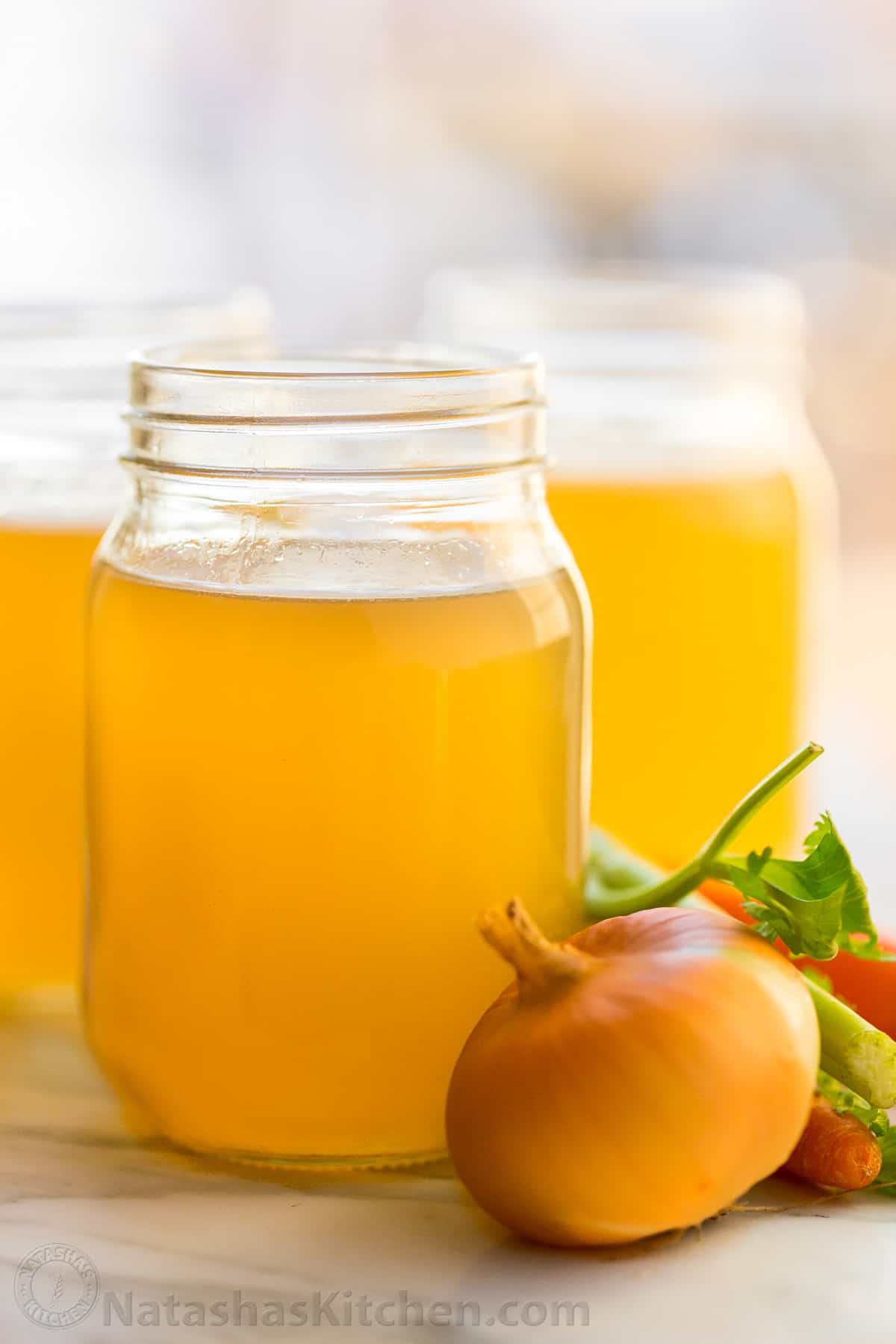
Unlock a world of unparalleled flavor and culinary versatility by mastering the art of homemade chicken stock. Forget the bland, often overly salty offerings found on supermarket shelves; crafting your own rich, aromatic stock from scratch is not only surprisingly simple but also transforms ordinary dishes into extraordinary culinary experiences. This guide will walk you through everything you need to know, from selecting the best ingredients to simmering your way to a golden, gelatinous elixir that will become an indispensable staple in your kitchen.
Why Homemade Chicken Stock Reigns Supreme
The difference between store-bought broth and homemade chicken stock is like night and day. While convenient, pre-packaged options often fall short in flavor, clarity, and nutritional value. Homemade stock, however, offers a depth of taste and an authentic aroma that simply cannot be replicated by artificial flavorings or concentrated powders. It provides a foundational richness that elevates everything it touches.
- Superior Flavor & Depth: By controlling the quality and quantity of your ingredients, you create a complex flavor profile that is both robust and nuanced. Fresh aromatics, high-quality chicken, and a slow simmer work in harmony to extract maximum essence, resulting in a stock that sings with true chicken flavor. This homemade advantage is beautifully detailed in our companion piece, Why Homemade Chicken Stock Delivers Superior Flavor & Quality.
- Unrivaled Control: You dictate the sodium content, avoiding the excessive salt often found in commercial products. You also bypass unwanted additives, preservatives, and artificial flavors, ensuring a pure and wholesome base for your cooking.
- Nutritional Boost: Making stock from bones, cartilage, and connective tissues extracts beneficial collagen, which breaks down into gelatin during simmering. This gelatin gives homemade stock its desirable silky texture and contributes to gut health and joint support.
- Cost-Effective: Homemade stock is incredibly economical, especially when you utilize leftover chicken bones from a roasted chicken or even a rotisserie chicken. It's a fantastic way to minimize food waste and maximize your grocery budget.
The Essential Ingredients: Building Your Flavor Foundation
The beauty of a great chicken stock lies in its simplicity and the quality of its components. You don't need fancy equipment, just good ingredients and a little patience.
Choosing Your Chicken Components
The foundation of your stock is, naturally, the chicken. You have several excellent options:
- Chicken Bones & Carcasses: After roasting a whole chicken, don't discard the carcass! It's a treasure trove of flavor and collagen. Similarly, bones from rotisserie chickens are perfect. You can even freeze bones until you have enough for a batch.
- Chicken Parts: For a dedicated stock-making session, various chicken parts excel. Chicken wings are a personal favorite and highly recommended. They are inexpensive and incredibly rich in cartilage and connective tissue, which translate into abundant collagen and, subsequently, a luxurious, silky stock. Chicken necks and backs are also excellent choices for their bone-to-meat ratio and cartilage content. Whole chickens or chicken legs can also be used, offering a slightly meatier flavor.
- Quantity Matters: A general rule for a flavorful stock is to use about 4 pounds of chicken parts or bones for every 12-16 cups of water. If you desire an ultra-rich, deeply concentrated stock (often referred to as a "double stock" or for reductions), consider increasing the chicken to 8 pounds.
Aromatics: The Soul of Your Stock
Aromatics infuse your stock with a fragrant, savory depth. The classic combination, often called mirepoix, is non-negotiable:
- Onions: Roughly chopped, skin on or off (some prefer skin on for extra color).
- Carrots: Washed and roughly chopped; no need to peel.
- Celery: Roughly chopped, including the leaves for extra flavor.
- Garlic: A few cloves, lightly smashed.
- Beyond the Classics: While the core mirepoix is essential, don't hesitate to experiment with other vegetables like leeks (especially the green parts), parsnips, or even a small amount of fennel for added complexity.
Herbs & Spices: The Flavor Enhancers
These elements provide subtle yet crucial notes that elevate your stock beyond basic savory liquid:
- Bay Leaves: Essential for a classic stock aroma.
- Black Peppercorns: Whole peppercorns add a gentle warmth without overwhelming.
- Fresh Herbs: Sprigs of fresh thyme and parsley are fantastic. Dill can also add a unique freshness. Avoid powdered herbs, as they can make the stock cloudy.
Water & Salt: The Crucial Foundation
- Cold Water: Always start with cold water. This allows the impurities to rise to the surface as the water slowly heats, making them easier to skim. It also facilitates a gradual extraction of flavor from the bones and vegetables.
- Salt: Seasoning with salt early on helps the flavors meld. Start with a moderate amount, as you can always adjust to taste later, especially if you plan to reduce the stock.
Step-by-Step Guide to Crafting Perfect Chicken Stock
Making chicken stock is more about technique and patience than intricate steps. Follow these guidelines for a clear, flavorful result.
- Preparation & Optional Roasting: Gather all your ingredients. If using raw chicken parts or bones, you can optionally roast them in the oven (400°F/200°C for 30-40 minutes) until golden brown. This step is not strictly necessary but adds a deeper, richer color and a more roasted flavor to your stock.
- Assemble in the Pot: Place your chosen chicken components (bones, wings, etc.) and all your aromatics (onions, carrots, celery, garlic, herbs, peppercorns) into a large, heavy-bottomed stockpot.
- Cover with Cold Water: Pour enough cold water over the ingredients to cover them by at least an inch or two.
- Bring to a Gentle Boil & Skim: Place the pot over high heat and bring it to a boil. As it heats up, you'll notice a foamy layer, sometimes referred to as "scum," rising to the surface. This foam contains impurities that can make your stock cloudy and impart off-flavors. Using a ladle or a fine-mesh skimmer, carefully scrape away and discard this foam. Continue skimming as needed until the foam subsides. This step is critical for achieving a clear, clean-tasting stock.
- The Gentle Simmer: Once skimmed, reduce the heat to the lowest setting possible, ensuring the stock maintains a very gentle simmer – just a few bubbles breaking the surface, not a rolling boil. A vigorous boil will emulsify fats and impurities, leading to a cloudy stock. Cover the pot partially and let it simmer for at least 3-4 hours, or even longer for a richer flavor (up to 6 hours is common). This extended, gentle simmer is one of the Secrets to Silky Chicken Stock: Wings, Aromatics & Gentle Simmer.
- Strain & Cool: After simmering, remove the pot from the heat. Carefully strain the stock through a fine-mesh sieve lined with cheesecloth (optional, for extra clarity) into a clean container. Discard the solids.
- Rapid Cooling: To ensure food safety, it's crucial to cool your stock as quickly as possible. You can do this by placing the pot of hot stock into a larger bowl filled with ice water, stirring occasionally. Once cooled to room temperature, transfer the stock to storage containers.
Maximizing Your Homemade Chicken Stock Experience
Once you've made your batch of liquid gold, proper storage and creative application are key to truly enjoying its benefits.
Smart Storage Solutions
Homemade chicken stock is perishable, so storing it correctly is crucial:
- Refrigeration: Once completely cooled, transfer the stock to airtight containers. It will last safely in the refrigerator for 3-4 days. As it chills, a layer of fat will solidify on top. This fat acts as a natural seal and can be easily skimmed off before use, or left on for extra flavor if desired.
- Freezing: For longer storage, freeze your stock. It will keep beautifully for up to 3 months (and often longer).
- Ice Cube Trays: Freeze portions in ice cube trays for convenient small servings. Once frozen, pop them out and store them in freezer-safe bags.
- Freezer Bags: Pour cooled stock into freezer-safe bags, removing as much air as possible, and lay them flat to freeze. This saves space.
- Containers: Use rigid freezer-safe containers, leaving about an inch of headspace for expansion.
Versatile Culinary Applications
The beauty of homemade chicken stock lies in its incredible versatility. It's truly a foundational building block for countless dishes:
- Soups & Stews: This is its most obvious application. From a comforting creamy chicken noodle soup to hearty vegetable stews, minestrone, or even a classic French onion soup, stock forms the backbone of flavor.
- Sauces & Gravies: Replace water with stock in pan sauces for roasted meats, or use it as the base for a rich gravy, velouté, or even a lighter hollandaise. Reducing stock to a demi-glace yields an intensely flavored elixir for gourmet dishes.
- Cooking Grains: Elevate the flavor of everyday grains by using stock instead of water. It transforms plain rice into something special, makes for an incredibly aromatic cilantro lime rice or Mexican rice, and is absolutely essential for a luscious mushroom risotto or creamy polenta.
- Braising & Poaching: Use stock as the flavorful liquid for braising meats and vegetables, or as a poaching liquid for delicate items like chicken breasts or fish.
- Reheating Leftovers: A splash of stock can rehydrate and refresh leftovers, preventing them from becoming dry.
- Sipping Broth: On its own, especially when enriched with gelatin, homemade stock makes a nourishing and comforting sipping broth, perfect for wellness and recovery.
Don't be afraid to experiment! Once you have a batch of this golden liquid, you'll find yourself reaching for it constantly, improving every meal you prepare.
Conclusion
Making your own chicken stock is a culinary journey that promises immense rewards. Beyond the superior taste and texture, there's a deep satisfaction in transforming simple ingredients into a versatile, flavorful kitchen staple. It empowers you with control over your food, elevates your cooking to new heights, and enriches your meals with a depth that no store-bought alternative can match. So, gather your ingredients, set aside a few hours, and embark on the rewarding path of crafting your own easy homemade chicken stock. Your taste buds, and your cooking, will thank you.
