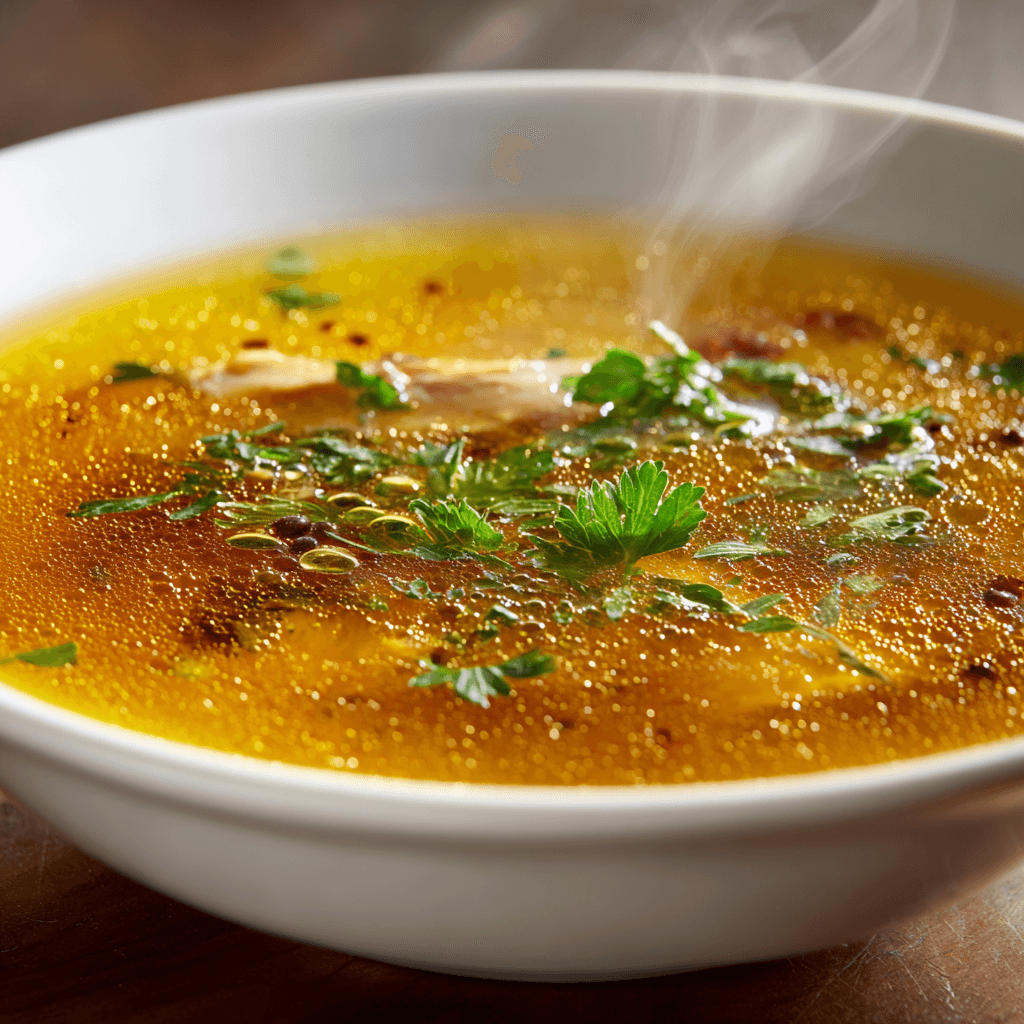
The Unrivaled Advantage of Homemade Chicken Stock
In the bustling world of modern kitchens, convenience often reigns supreme. Yet, some culinary endeavors, though seemingly simple, yield rewards that far outweigh the effort. Crafting your own
chicken stock is precisely one such pursuit. Forget the flat, often overly salty, and sometimes artificially flavored boxed versions; homemade chicken stock is a foundational element that can profoundly elevate your cooking, transforming everyday meals into extraordinary dining experiences.
What makes homemade chicken stock so superior? It's a symphony of controlled flavors, unparalleled depth, and a silken texture that store-bought alternatives simply cannot replicate. When you make stock from scratch, you dictate every ingredient, ensuring a pure, clean taste free from unnecessary additives or excessive sodium. This control not only results in a more delicious product but also allows you to tailor its profile to perfectly complement your dishes. Furthermore, the natural gelatin and collagen extracted during a slow simmer lend a rich mouthfeel and subtle body that provides a comforting umami boost without overwhelming other flavors. It's a versatile kitchen staple, acting as the liquid gold that forms the backbone of countless recipes. For a deeper dive into the benefits, explore
Why Homemade Chicken Stock Delivers Superior Flavor & Quality.
The Anatomy of Exceptional Chicken Stock: Ingredients Demystified
Creating truly outstanding chicken stock begins with understanding the role of each component. Think of it as building a flavor profile from the ground up, where quality ingredients and thoughtful combinations are paramount.
The Foundation: Choosing Your Chicken Components
While you can use various parts of the chicken, certain selections are stellar for producing that coveted silky texture and deep flavor.
*
Chicken Wings: Your Secret Weapon: This is perhaps the most beloved secret among seasoned stock makers. Chicken wings are a treasure trove of cartilage and connective tissue, brimming with collagen. As they gently simmer, this collagen breaks down into gelatin, which is directly responsible for that luxurious, silky mouthfeel and rich body that distinguishes a gourmet stock. They're also relatively inexpensive, making them a cost-effective choice for a premium result.
*
Other Excellent Options: Don't limit yourself to wings! Whole chickens, leftover bones from a roasted chicken, or even a rotisserie chicken carcass are fantastic. Chicken legs or backs also contribute well. The key is to use bony, cartilaginous parts for maximum gelatin extraction.
*
Quantity Matters: The amount of chicken you use directly impacts the richness of your stock. For a lighter, yet still flavorful, stock, aim for about 4 pounds of chicken parts per 12 cups of water. If you desire an ultra-flavorful, deeply concentrated broth, consider increasing this to 8 pounds of chicken for the same amount of water. This allows you to customize the intensity to suit your culinary needs.
The Symphony of Flavor: Aromatics and Herbs
Aromatics are the unsung heroes of stock making, infusing your liquid gold with layers of nuanced flavor.
*
The Classic Mirepoix: Onion, carrots, and celery form the traditional aromatic trinity. These three vegetables provide a sweet, earthy base that is foundational to classic chicken stock. Don't worry about precise cuts; simply chop them into large chunks.
*
Garlic's Gentle Touch: A few smashed cloves of garlic add a subtle warmth and depth without overpowering the chicken flavor.
*
Herbal Infusion: A thoughtfully chosen blend of fresh herbs can elevate your stock significantly. Bay leaves, fresh thyme sprigs, parsley stems (which often go unused!), and a handful of whole black peppercorns are excellent choices. Dill, while less common, can add a unique freshness. Using fresh herbs is always preferred for their vibrant essence compared to dried varieties.
*
Beyond the Basics: Feel free to experiment with other vegetables like leeks (for a delicate onion flavor) or fennel (for a hint of anise), depending on the desired flavor profile of your finished stock.
The Pure Medium: Water and Seasoning
*
Cold Water is Crucial: Always start with cold water. Adding cold water helps to slowly extract impurities and flavors from the chicken and aromatics, resulting in a clearer, cleaner-tasting stock.
*
Salt – The Early Whisper: Seasoning your stock with a moderate amount of salt early on is beneficial, as it helps draw out flavors. However, exercise caution. Since stocks are often reduced in recipes like sauces or gravies, it's always safer to under-salt and adjust at the end or when incorporating the stock into a dish. Remember, you can always add more salt, but you can't take it away.
Crafting Your Culinary Gold: Step-by-Step Simmering Perfection
Making chicken stock isn't complicated, but it does require patience and a few key techniques to ensure clarity, depth, and that coveted silky texture.
Preparation and Initial Setup
1.
Prep Your Ingredients: Roughly chop your onions, carrots, and celery. Smash your garlic cloves. Gather your chicken pieces. If using whole bones or carcasses, you might want to break them down slightly to fit your pot.
2.
The Grand Assembly: Place all your chicken components and prepared aromatics (onions, carrots, celery, garlic, bay leaves, peppercorns, and herbs) into a very large stockpot. Ensure your pot is large enough to accommodate all ingredients comfortably, without overcrowding, which allows for better heat circulation and clearer stock.
3.
Cover with Cold Water: Pour enough cold water over your ingredients to cover them by at least an inch or two. This is critical for slow, efficient extraction of flavors and impurities.
The Boil, Skim, and Gentle Simmer
1.
Bring to a Gentle Boil: Place your pot over medium-high heat and slowly bring the water to a boil. As the temperature rises, you'll notice a foamy, grayish layer—often called "scum"—rising to the surface.
2.
The Art of Skimming: This foamy layer consists of impurities from the chicken and aromatics. It's important to skim this away using a ladle or a fine-mesh skimmer. Removing this foam helps keep your stock beautifully clear and ensures a clean, pure flavor profile. Continue skimming periodically during the initial stages until most of the foam is gone.
3.
Reduce to a Gentle Simmer: Once you've skimmed away the foam, reduce the heat to the lowest setting possible. The goal is a very gentle simmer, where you see only the occasional bubble breaking the surface, rather than a rolling boil. This low, slow heat is paramount for several reasons:
*
Clarity: A gentle simmer prevents the stock from becoming cloudy by preventing fats and particles from emulsifying into the liquid.
*
Flavor Extraction: It allows flavors to extract slowly and efficiently without cooking off volatile aromatics.
*
Gelatin Formation: A gentle simmer is ideal for the collagen in the chicken wings and other parts to slowly break down into gelatin, contributing to that desired silky texture.
4.
The Long Haul: Let your stock gently simmer, uncovered or partially covered, for approximately 4 hours. You can extend this up to 6 hours for a truly rich, deep flavor, but generally, beyond 6-8 hours, the stock can sometimes develop off-flavors or become overly concentrated. Avoid stirring the stock too frequently during this time, as it can also contribute to cloudiness.
Straining and Cooling
1.
Careful Straining: Once your stock has achieved its desired depth of flavor, remove it from the heat. Carefully strain the stock through a fine-mesh sieve, ideally lined with cheesecloth for extra clarity, into a clean heatproof container. Discard all the solids – their work is done.
2.
Rapid Cooling: This is a crucial food safety step. To prevent bacterial growth, you must cool the stock quickly. An effective method is to place your container of hot stock into a larger bowl filled with ice water, stirring occasionally. Once it reaches room temperature, transfer it to the refrigerator.
Beyond the Pot: Storing and Utilizing Your Liquid Gold
Congratulations, you've just created a culinary masterpiece! Now, let's ensure it's stored properly and used to its full potential.
Storage Solutions
*
Refrigeration: Once completely cooled, homemade chicken stock can be stored in airtight containers in the refrigerator for 3-4 days.
*
Freezing for Longevity: For longer storage, freezing is your best friend. Chicken stock will keep beautifully in the freezer for up to 3 months, or even longer (6 months for best quality).
*
Portion Control: Freeze stock in convenient portions. Ice cube trays are excellent for small amounts needed for deglazing or quick sauces. Larger quantities can be frozen in freezer-safe bags (flattened for easy stacking) or rigid containers, leaving headspace for expansion.
*
Label and Date: Always label your frozen stock with the date to keep track of freshness.
Unlocking Culinary Potential: Versatile Applications
Homemade chicken stock is a true workhorse in the kitchen, its versatility limited only by your imagination. It enhances the flavor and depth of countless dishes, making it an indispensable ingredient. To explore more versatile uses, check out our
Easy Homemade Chicken Stock: A Versatile Kitchen Staple Guide.
*
Soups and Stews: This is perhaps its most obvious application. From a comforting chicken noodle soup or creamy chicken and dumplings to hearty vegetable soups or robust stews, homemade stock provides a rich, savory base that elevates every spoonful.
*
Sauces and Gravies: Homemade stock is the secret behind professional-tasting pan sauces, reductions, and gravies. Its body and flavor make for a far superior foundation than water or inferior store-bought options.
*
Grains and Risottos: Swap water for chicken stock when cooking rice (think cilantro lime rice or Mexican rice), quinoa, or couscous for an instant boost of flavor. It's absolutely essential for a truly authentic and creamy mushroom risotto.
*
Braising and Poaching: Use it as the flavorful liquid for braising meats or vegetables, imparting tenderness and depth. It's also excellent for poaching chicken breasts or fish, infusing them with savory notes.
*
Everyday Cooking: Use it to deglaze a pan after sautéing vegetables or searing meat, or as a flavorful liquid for steaming vegetables.
The journey to making your own silky chicken stock is not just about following a recipe; it's about embracing a culinary philosophy that values fresh ingredients, patient technique, and the immense satisfaction of creating something truly exceptional from scratch. Once you experience the profound difference homemade stock makes in your cooking, you'll wonder how you ever lived without this liquid gold. So, gather your wings, chop your aromatics, and prepare to unlock a new level of flavor in your home kitchen. Your taste buds, and your family, will thank you.